
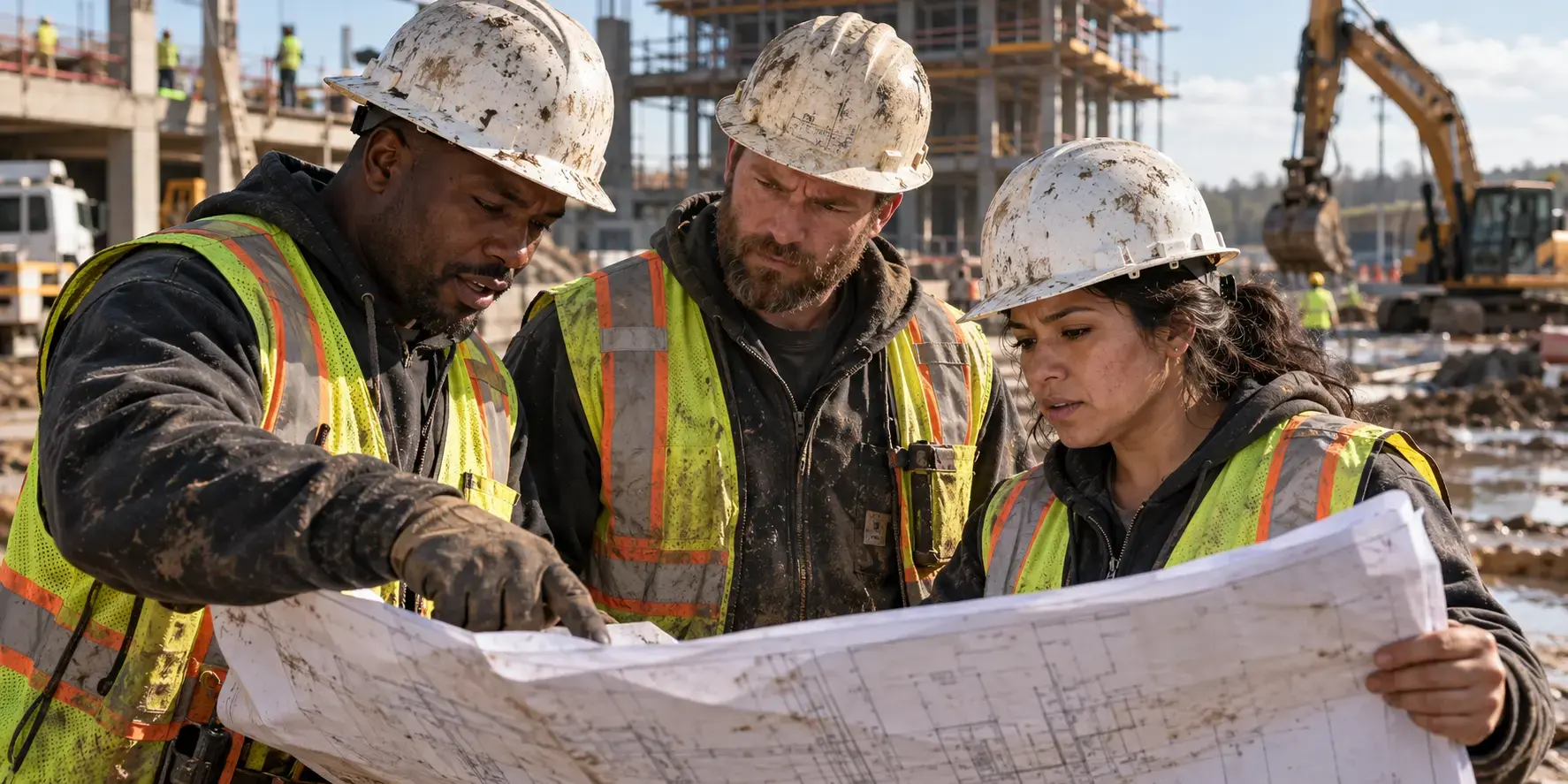
Your next construction phase is ready to start, but your crew is already stretched thin. Contract labor for construction can help you bring in additional workers for the work ahead without adding permanent positions to your payroll.
Maybe you need carpenters for a framing phase, concrete workers for an upcoming pour, or extra hands to finish a punch list. You need people who can handle the assignment, follow site rules, and work alongside your current crew. You also need a staffing plan that fits your budget after that phase ends.
At Tower Eight Staffing, we help Florida contractors plan labor support around changing workloads. Let's look at when temporary staffing makes sense, what to ask before booking workers, and how to get more value from each placement.
Why Adding Permanent Employees Isn't Always the Answer
Construction workloads change from one phase to the next. A busy month might require a larger crew, while the following month calls for fewer workers with different skills. Hiring permanently for every short-term gap can leave you paying for more labor than your schedule supports.
Labor shortages are still affecting project schedules. In the 2026 AGC and NCCER workforce survey, 42% of respondents said shortages of their own workers or subcontractors' workers had delayed projects. Meanwhile, 74% reported at least one significant project delay during the previous year, and 36% had started or increased spending on training and professional development.
Temporary staffing can help you cover an immediate gap while you continue building your permanent crew's skills. The first step is figuring out what is holding up the work.
More workers won't solve a missing material delivery or a delayed inspection. But if your crew simply doesn't have enough available people, a temporary placement may fit the situation.
How Contract Labor for Construction Works
With a staffing arrangement, a provider assigns workers to your project for an agreed period or scope of work. You pay the staffing company under a service agreement instead of adding those workers directly to your permanent payroll.
Your site supervisor typically directs their daily tasks. That differs from hiring a subcontractor to complete a separate construction scope. Before work starts, confirm who handles payroll, insurance, supervision, and other responsibilities.
This approach lets you keep a steady core crew and add support when the workload increases. Your permanent employees bring knowledge of your projects and processes. Temporary workers add capacity where you need it for a specific assignment.
Contract labor for construction still adds to your project costs. What changes is the commitment: you can plan the assignment around a defined need. Check minimum hours, notice requirements, and cancellation terms before assuming you can change crew size at any time.
When Project Based Construction Staffing Makes Sense
Project based construction staffing works well when you can explain the tasks, expected schedule, and required skills. The assignment might last a few days or continue through a longer construction phase.
You might consider temporary support when:
- Two projects need additional workers at the same time.
- A framing or concrete phase requires more hands than your regular crew can provide.
- Worker absences leave a short-term gap.
- Punch-list tasks need attention before the project turns over.
- Cleanup and material handling are pulling tradespeople away from installation work.
For example, you might bring in carpenters during framing, then end the assignment once that phase is complete. Or you could add general laborers to stage materials so your trade crew can focus on its assigned work.
If you keep extending the same position across several projects, take another look at permanent hiring. A steady need may justify a permanent role. Where available, temp-to-hire also gives you a way to evaluate a worker before making a longer-term decision.
Look Beyond the Hourly Rate
It's natural to compare a staffing company's bill rate with an employee's hourly wage. But those figures don't cover the same costs.
For direct hiring, consider wages, payroll taxes, insurance, benefits where offered, recruiting, and onboarding. Think about whether you'll have enough work to keep that employee busy between projects.
For temporary staffing, ask what the quoted rate includes. Request clear answers about:
- Regular and overtime rates.
- Minimum daily or weekly hours.
- Transportation and any related charges.
- Tools and personal protective equipment.
- Cancellation, extension, and replacement terms.
- Fees or restrictions for converting a temporary placement to a permanent hire.
Also consider what happens if you leave the position unfilled. Will your current crew need more overtime? Could equipment sit idle or another trade lose access to the work area?
Contract labor for construction may have a higher hourly bill rate than a direct wage. It can still fit a short-term need, but savings depend on the assignment, productivity, and agreement terms. Use your project numbers to make the comparison.
Give Your Staffing Provider a Clear Picture of the Job
A useful staffing request starts with the work itself. Saying you need two carpenters is a starting point. Explaining whether they'll handle rough framing, finish work, or punch-list repairs gives the provider much more to work with.
Share the expected start date, assignment length, shift hours, reporting location, and supervisor's contact information. Workers should know what they're accepting before they arrive.
Include details about:
- Required licenses, credentials, and safety training.
- Tools workers need to bring.
- Equipment and protective gear your site will provide.
- Physical demands and known hazards.
- Parking, site access, and transportation arrangements.
- Who assigns tasks and approves hours.
For project based construction staffing, explain which phase needs support and when you'll review crew size. Share likely schedule changes early, even if the dates aren't final yet.
Availability depends on the trade, location, shift, and available workers. Ask the provider to confirm timing rather than assuming every request can be filled the same day.
Check Skills and Safety Before the First Shift
A trade title doesn't tell you everything about a worker's qualifications. Ask how the staffing provider checks skills and previous assignments. Confirm any credentials your project requires.
Be specific when asking about OSHA certifications. OSHA's 10-hour and 30-hour Outreach courses provide safety education and completion cards. They aren't professional certifications, and they don't replace training required for particular tasks or hazards.
OSHA's temporary worker guidance explains that staffing agencies and host businesses share responsibility for worker safety. Discuss who provides general safety training and who handles instruction for your site before work starts.
Your orientation should explain assigned duties, hazards, emergency procedures, protective equipment, and injury reporting. Give workers a clear contact for questions and instructions they can understand.
If the assignment changes, speak with the provider before moving a worker into duties that require different qualifications. A worker brought in for material handling shouldn't be assigned unfamiliar equipment without the required preparation.
Help New Workers Get Started
Even a qualified worker needs direction on a new site. Have someone ready to meet the placed workers, explain the day's tasks, and show them where materials and tools are located.
Make attendance expectations clear. Confirm reporting times, the site contact, and whom workers should call if they're delayed. Ask the staffing provider how it handles absences or placements that don't match your stated needs.
Check progress early instead of waiting until the assignment ends. Useful feedback might explain whether the worker is following instructions, completing the assigned tasks, or needs a different level of support.
Hours matter, but so does the work completed. Depending on the assignment, you might review finished work areas, staged materials, or completed punch-list items.
Project based construction staffing works better when everyone gets timely updates. Changes to shifts, locations, and assignment length affect workers' transportation and planning, so give reasonable notice whenever possible.
Keep Time Records and Crew Changes Organized
Temporary staffing can reduce some direct payroll paperwork, but your company still needs accurate records and active site supervision. Decide who approves hours, authorizes overtime, and reviews invoices.
Our construction workforce solutions support temporary assignments, individual project phases, and changing workloads. Tower Eight Staffing also provides workers' compensation insurance for placed workers and around-the-clock access to our management team. Discuss the arrangements for your project before the assignment begins.
Keep written records of schedule changes, new duties, extensions, and expected end dates. Review notice requirements before reducing the crew.
If your project has prevailing wage or certified payroll requirements, bring them up before requesting workers. Have your project team and staffing provider confirm the required wage classifications, records, and reporting responsibilities.
The people handling daily work and billing should understand the agreement. Clear records make it easier to resolve questions while the assignment is still active.
Frequently Asked Questions About Contract Labor for Construction
What Is Contract Labor for Construction?
Contract labor for construction can mean workers supplied by a staffing company for temporary or project-based assignments. The provider handles their employment and payroll under the agreement, while your site team typically directs daily work. Ask about supervision, insurance, and billing before starting. Staffing arrangements differ from hiring a subcontractor to complete a separate construction scope.
How Much Does Contract Labor for Construction Cost?
Rates depend on the trade, qualifications, location, shift, and assignment length. Ask for a written quote that explains overtime, minimum hours, insurance, transportation, and additional charges. Compare contract labor for construction with your full direct hiring costs and the cost of leaving the gap unfilled. The hourly rate is only part of that decision.
How Quickly Can Workers Arrive on Site?
Timing depends on your requirements and worker availability. Give the provider the trade, duties, start date, shift, and location when you request help. Additional credentials or unusual hours may affect timing. Confirm the arrival date and reporting instructions, then have a supervisor, materials, and site orientation ready so workers can begin their assignments with clear direction.
Can Project Based Construction Staffing Support Skilled Trades?
Yes, project based construction staffing can support skilled trade assignments when qualified workers are available. Explain the specific work, required credentials, and supervision needs. Ask how the provider checks qualifications before accepting a placement. Clear job details help the provider assess the request and help workers understand the tasks they'll be expected to perform.
Who Handles Safety Training for Temporary Workers?
The staffing agency and host business share safety responsibilities. Discuss who provides general safety information and who explains hazards specific to your site. Workers need instruction on assigned tasks, protective equipment, emergency procedures, and injury reporting. OSHA Outreach course completion doesn't replace required task-specific training, so review the actual duties before the first shift begins.
When Does Permanent Hiring Make More Sense?
Permanent hiring may fit when you need the same role across several projects and have enough confirmed work to support it. Review your backlog and expected workload before deciding. A temporary assignment can cover a defined gap while you assess future demand. If you're interested in temp-to-hire, ask about availability, conversion fees, and other terms first.
Plan Your Next Phase With Contract Labor for Construction
You don't have to turn every short-term labor gap into a permanent payroll commitment. Contract labor for construction can help you add support for a specific phase while keeping your staffing plan tied to the work ahead.
Before requesting workers:
- Identify the tasks your current crew can't cover.
- Set the expected schedule and supervision plan.
- Compare total costs and review billing terms.
- Confirm skills, safety needs, and reporting instructions.
At Tower Eight Staffing, we help Florida contractors plan practical labor support for active projects and changing workloads. Explore our Workforce Solutions to discuss the trades you need, your upcoming schedule, and staffing options for your next phase.